Sur cette page (6 sections)
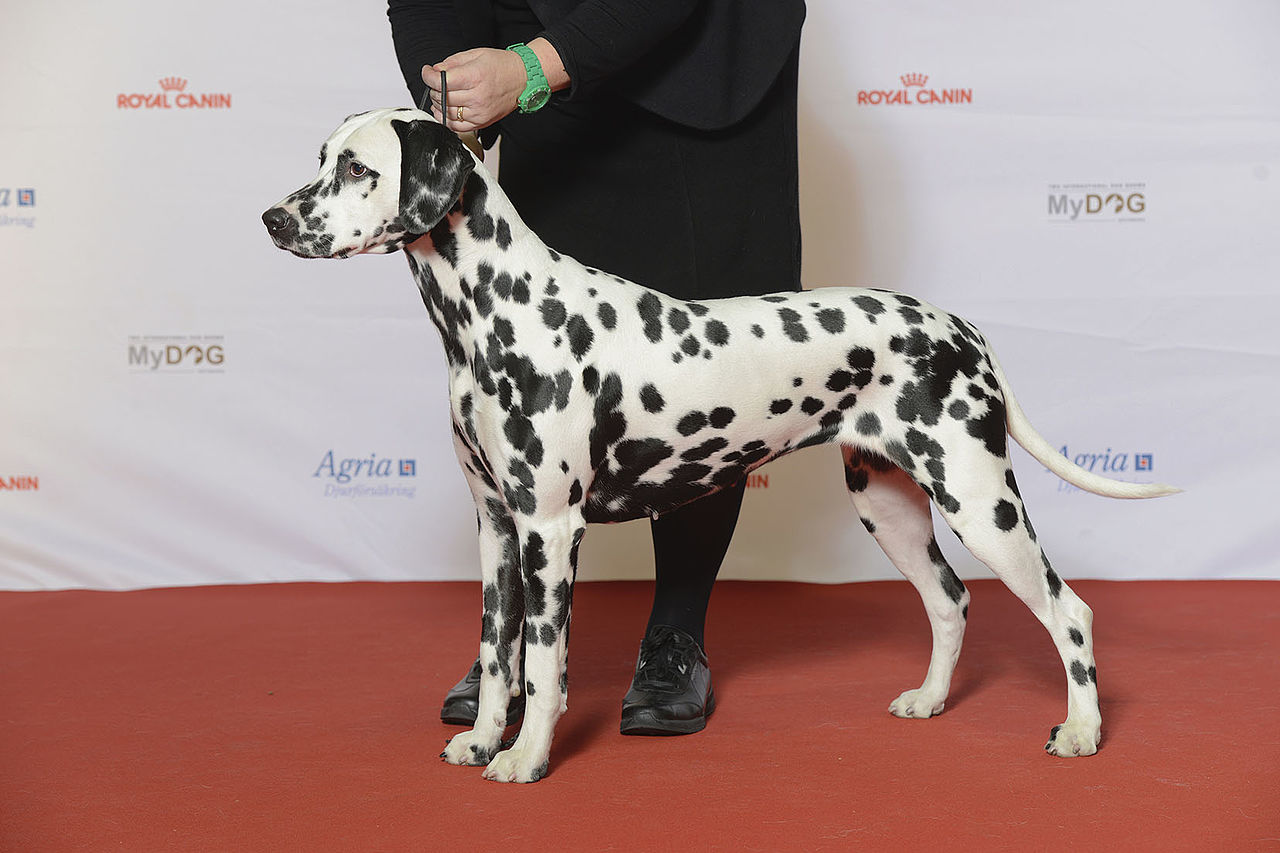
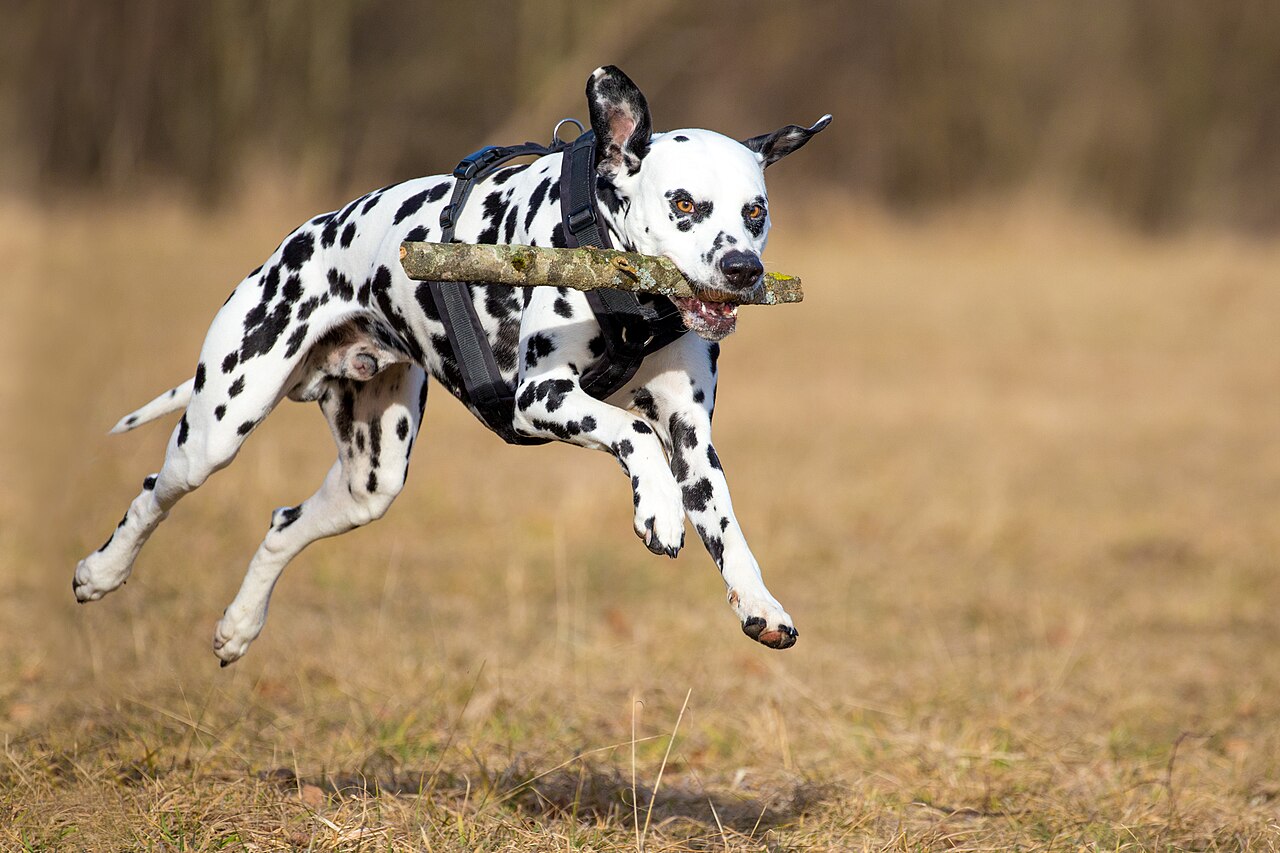
The Dalmatian was born to run and its endurance capabilities make it an ideal partner for sporty vacations. Historically a carriage companion, it has a natural instinct for long journeys and adapts well to vehicle travel. Its independent nature however requires careful socialization for very crowded places. Destinations offering large open spaces and running paths are perfect for exploiting its overflowing energy. With good daily physical expenditure, it then shows remarkable zen in accommodation.
Atouts en voyage
- Exceptional endurance for long-distance hiking
- Natural adaptation to vehicle journeys inherited from its past as a carriage dog
- Short coat facilitating maintenance while traveling
- Good heat tolerance compared to long-haired breeds
Defis a anticiper
- Need for intense daily exercise that can complicate transit days
- Tendency to congenital deafness requiring increased vigilance outdoors
- Sometimes reserved character with strangers in public places
Profil voyage
En images
Se deplacer avec votre Dal
The Dalmatian travels by train with a ticket and muzzle if required. Its carriage dog past gives it some ease in transport, but its energy must be expended before the trip. Plan a long walk before boarding so it remains calm during the journey. A long-lasting chew bone can occupy its active mind during long routes.
The Dalmatian is historically a road dog and adapts well to automobile journeys. Its medium-large size requires comfortable rear space, a station wagon suits perfectly. Be careful to secure the space with a net or harness as it may get agitated if it spots an animal through the window. Sports breaks of 20 minutes every two hours are ideal.
By plane, the Dalmatian travels in the hold in an IATA crate suitable for its size. Its short coat makes it less sensitive to hold temperature variations than long-haired breeds. Check with the airline the maximum accepted dimensions as some hold cabins are limited. Long exercise before check-in will help it sleep during the flight.
Sante en voyage
Risques specifiques
- Urinary stones linked to a unique uric acid metabolism aggravated by dehydration while traveling
- Unilateral or bilateral congenital deafness making recalls difficult in open areas
- Sunburn on light skin areas under the spotted coat
Precautions
Hydration is absolutely crucial for the Dalmatian due to its predisposition to urinary stones. Always carry more water than you estimate necessary. Make it drink frequently and in small amounts throughout the day. A BAER hearing test before first outings in open areas will allow you to know its hearing level.
Tolerance chaleur
The Dalmatian tolerates heat relatively well thanks to its short coat, but poorly pigmented skin areas can burn in the sun. Apply veterinary sunscreen on the muzzle and ears during prolonged exposures. In summer, favor morning activities and maintain permanent access to fresh water to prevent urinary problems.
Pharmacie de voyage
- Specific dog sunscreen to apply on depigmented areas
- Supplement for urinary function support
- Flow-controlled water bottle for regular hydration
- Ear cleaning solution to prevent otitis after swimming
Equipement indispensable
10-meter long line
Allows the Dalmatian to run and explore while maintaining control, essential if its hearing is reduced
Large flow travel water bottle
Constant hydration is medically vital for the Dalmatian due to its specific uric acid metabolism
Padded anti-pull harness
The Dalmatian naturally pulls on walks due to its racing dog instinct, a harness protects its neck and your arms
Veterinary sunscreen
The white areas of its coat let UV rays through, protecting its sensitive skin from sunburn during sunny days
Machine-washable travel mat
The Dalmatian sheds its short hairs continuously and an easily washable mat maintains accommodation cleanliness
Ou partir avec votre Dal ?
The Dalmatian dreams of wide open spaces to deploy its elegant stride. Coastlines with dog-friendly beaches, state forests and towpath trails offer perfect terrain for its intense exercise needs.
Le saviez-vous ?
The Dalmatian was the official companion of stagecoaches in the 18th century, running alongside horses for dozens of kilometers without showing fatigue
The Dalmatian's spots are unique like fingerprints and only appear after birth, puppies being born entirely white
This breed has a uric acid metabolism different from all other dogs, which directly influences its diet and hydration while traveling
Questions frequentes
Can the Dalmatian run next to a bike on vacation?
The Dalmatian is an endurance breed and canicross or cani-biking are ideal activities for it. It can run 15 to 20 km at moderate pace once adult and well trained. Avoid abrasive surfaces like hot asphalt and provide water every 5 km. Start gradually and do not practice at temperatures above 25 degrees.
My Dalmatian is deaf in one ear, can I travel safely?
Unilateral deafness is common in Dalmatians and does not prevent traveling. Use visual signals in addition to voice commands and keep it on a long line in open unfenced environments. A vibrating collar can replace vocal recall in critical situations. Avoid letting it off near roads.
How much water to plan for hiking with a Dalmatian?
Plan at least 50 ml of water per kilo of body weight per day, about 1.5 liters for a normal day. During active hiking and hot weather, double this amount. Its particular metabolism makes dehydration more dangerous than for other breeds. Make it drink every 30 minutes in small amounts.
Does the Dalmatian get along with other dogs while camping?
The Dalmatian can be selective in its canine relationships, especially intact males. Early and continuous socialization greatly improves its tolerance. While camping, keep it on leash during first contacts and choose a site slightly apart. Once introductions are made calmly, it generally shows itself playful and sociable.
Does the Dalmatian's coat require special maintenance while traveling?
Its short hair seems easy to maintain but the Dalmatian sheds enormously all year round. Bring a rubber brush and brush it daily to limit hairs in accommodation. After swimming in the sea, rinse it with fresh water as salt irritates its sensitive skin. An omega-3 supplement can reduce hair loss during travel stress periods.