Sur cette page (6 sections)
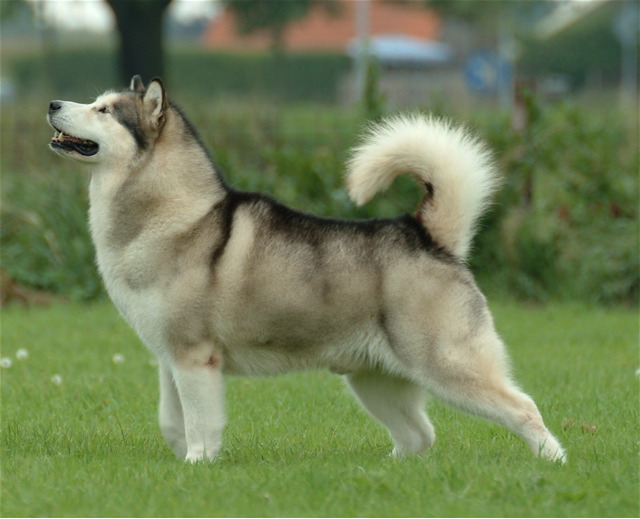
The Alaskan Malamute is a born traveler whose ancestors covered hundreds of kilometers across the icy expanses of the Arctic, transmitting to this breed legendary endurance. This domesticated wolf with profound gaze reveals itself fully in wild environments and wide open spaces where its power and exploration instinct can be expressed. Its Arctic coat, marvel of adaptation to extreme cold, becomes its Achilles heel as soon as the thermometer exceeds twenty degrees. The Malamute has a marked pack instinct that makes it dependent on human presence while maintaining a typically Nordic decision-making independence. Traveling with it requires rigorous seasonal planning but rewards with unique complicity in wild nature.
Atouts en voyage
- Exceptional endurance for multi-day treks with load carrying
- Unlimited cold resistance allowing winter adventures without restriction
- Physical robustness and solid health minimizing veterinary risks in isolated areas
- Remarkable orientation instinct inspiring confidence on poorly marked trails
Defis a anticiper
- Absolute heat intolerance drastically restricting destinations from May to October
- High prey drive that can provoke incidents with local wildlife or small animals
- Powerful howling-type vocalizations that can disturb neighbors in accommodation
Profil voyage
En images
Se deplacer avec votre Malamute
The Alaskan Malamute is a difficult rail traveler to manage due to its size, energy and tendency to vocalize when bored. Its size constrains it to remain lying in the aisle or near the door, occupying considerable space. Car air conditioning is essential and must be verified before boarding as an overheating Malamute on a train without air conditioning is in real danger. Reserve first class for more space and travel early morning when temperatures are cooler.
The Malamute accommodates car travel well provided it benefits from powerful air conditioning and generous space in the trunk of a large vehicle. Its dense coat retains odors and phenomenal quantities of hair, making a waterproofed protective cover absolutely necessary. Plan breaks every eighty minutes in shaded areas with fresh grass where it can roll to cool down. Nighttime travel is ideal for this breed as low temperatures naturally suit it.
The Malamute travels in the hold in a large IATA crate, but many airlines refuse Nordic breeds during warm periods between May and September. Risks of heatstroke in the hold or on the tarmac during loading are real and documented. If flight is necessary, choose exclusively night flights in low winter season with an airline guaranteeing a climate-controlled hold. Place a frozen cooling mat in the crate and attach a water bowl to the door.
Sante en voyage
Risques specifiques
- Rapid and potentially fatal heatstroke at moderate temperatures above twenty degrees
- Hip dysplasia aggravated by intense hiking on rough terrain
- Underlying hypothyroidism that can cause lethargy and weight gain masked by travel activity
Precautions
Invest in a portable environmental thermometer to monitor in real time the temperature your Malamute is exposed to. Adapt the duration and intensity of activities according to the day's weather and not the planned program. Bring reusable ice packs that you can place against its belly and armpits in case of overheating. Check its thyroid before a long trip as undiagnosed hypothyroidism dramatically reduces its effort capacity.
Tolerance chaleur
The Alaskan Malamute is designed to survive temperatures of minus fifty degrees, which makes any heat above eighteen degrees uncomfortable for it. Its Arctic double coat composed of a five-centimeter woolly undercoat and a waterproof cover coat constitutes thermal insulation almost impossible to bypass naturally. The only effective solution in moderate heat is partial immersion in cold water or application of wet towels on the belly and pads. Above twenty-five degrees, the Malamute must imperatively remain in an air-conditioned space and any outdoor activity is prohibited.
Pharmacie de voyage
- Single-use cooling towels for rapid cooling
- Rectal thermometer for body temperature monitoring
- Omega-3 supplement to support coat health during shedding period
- Protective gel for pads against hot surfaces
Equipement indispensable
Trekking harness with handle and load rings
The Malamute can carry up to one-third of its weight in a canine backpack and loves to work, this harness exploits its pulling instinct
Hiking canine backpack
Allows the Malamute to carry its own provisions during hiking, stimulating its work need inherited from its sled ancestors
Emergency isothermal blanket
Used reversed with shiny side outward, it reflects heat and protects the Malamute in case of unexpected sun exposure
Insulated bowl keeping water cool
Maintains water at low temperature for several hours, essential for this Arctic dog who often refuses to drink lukewarm water
Furminator brush for Arctic undercoat
Only tool capable of penetrating the thickness of the Malamute's woolly undercoat to remove the mass of dead hairs and improve aeration
Ou partir avec votre Malamute ?
The Alaskan Malamute finds its happiness in high plateaus, altitude forests and mountain trails where freshness and wide open spaces respond to its ancestral needs. The Northern Alps, the Pyrenees in autumn and the Jura in winter are its favorite destinations for unforgettable adventures.
Le saviez-vous ?
The Malamute takes its name from the Mahlemut people of Alaska who used these dogs to transport loads up to six hundred kilograms over long distances, making them the trucks of the Arctic
During the Klondike Gold Rush in 1896, a good Malamute was worth the equivalent of five hundred dollars of the time, a fortune testifying to its value as a travel companion in hostile lands
The Malamute participated in Admiral Byrd's polar expeditions to Antarctica in the thirties, covering considerable distances on the ice shelf to resupply scientific bases
Questions frequentes
Can you take a Malamute on vacation in France in summer?
Summer vacations in France are extremely limited for the Malamute. Only altitude stations above one thousand five hundred meters offer acceptable temperatures in July-August. The Northern Alps, high Savoie and high-altitude Pyrenean stations are the rare viable options. Plan imperatively air-conditioned accommodation and schedule outings only before seven in the morning and after nine in the evening.
Can the Malamute carry a backpack during hiking?
The Malamute is naturally made for carrying and can transport a canine backpack representing up to one-third of its body weight, about ten kilograms for a healthy adult. Gradually accustom it by increasing the load over several outings. The pack must be balanced on both sides and not rub on the shoulders. This activity mentally stimulates it as it responds to its work instinct and makes it calmer at camp.
How to manage the Malamute's howling in accommodation?
The Malamute does not yap but howls in the manner of a wolf, a behavior that can pose problems in tourist accommodation. Howling mainly occurs from boredom, loneliness or in response to high-pitched sounds like sirens. Never leave it alone in accommodation and provide constant mental stimulation with occupation toys. Choose isolated accommodations like lodges in nature or mountain chalets where howling will disturb no one.
Is the Malamute compatible with snowshoe hiking?
Snowshoe hiking is the ideal activity for the Malamute who finds in snow its natural element. It can walk for hours in powder without tiring and its morphology is perfectly adapted to snowy terrain. Nevertheless monitor the formation of ice balls between its pads and apply protective balm before each outing. The Malamute in snow is in a state of euphoria that can reduce its responsiveness to your commands; keep it on a long line if the area is not secured.
Should you have a Malamute groomed before a trip?
A thorough two-hour brushing before departure is more beneficial than professional grooming as it removes dead undercoat without altering the protective structure of the coat. Never have your Malamute shaved or clipped even in summer as this seriously disrupts its thermoregulation and exposes its sensitive skin to UV rays. Plan thirty minutes of daily brushing during the trip to manage shedding which intensifies with environmental changes. Bring a bag dedicated to hairs as the volume is considerable.