Sur cette page (6 sections)
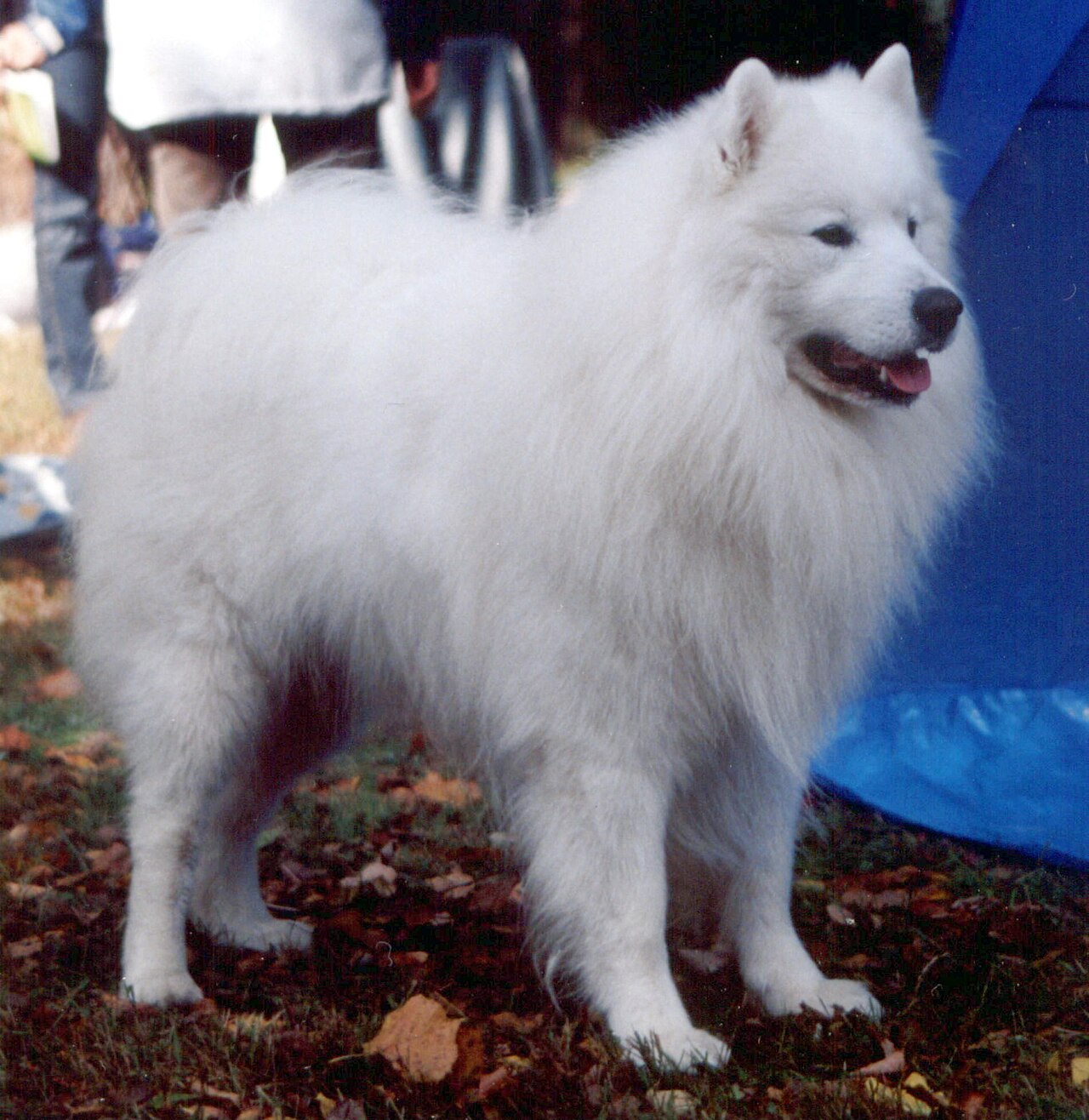
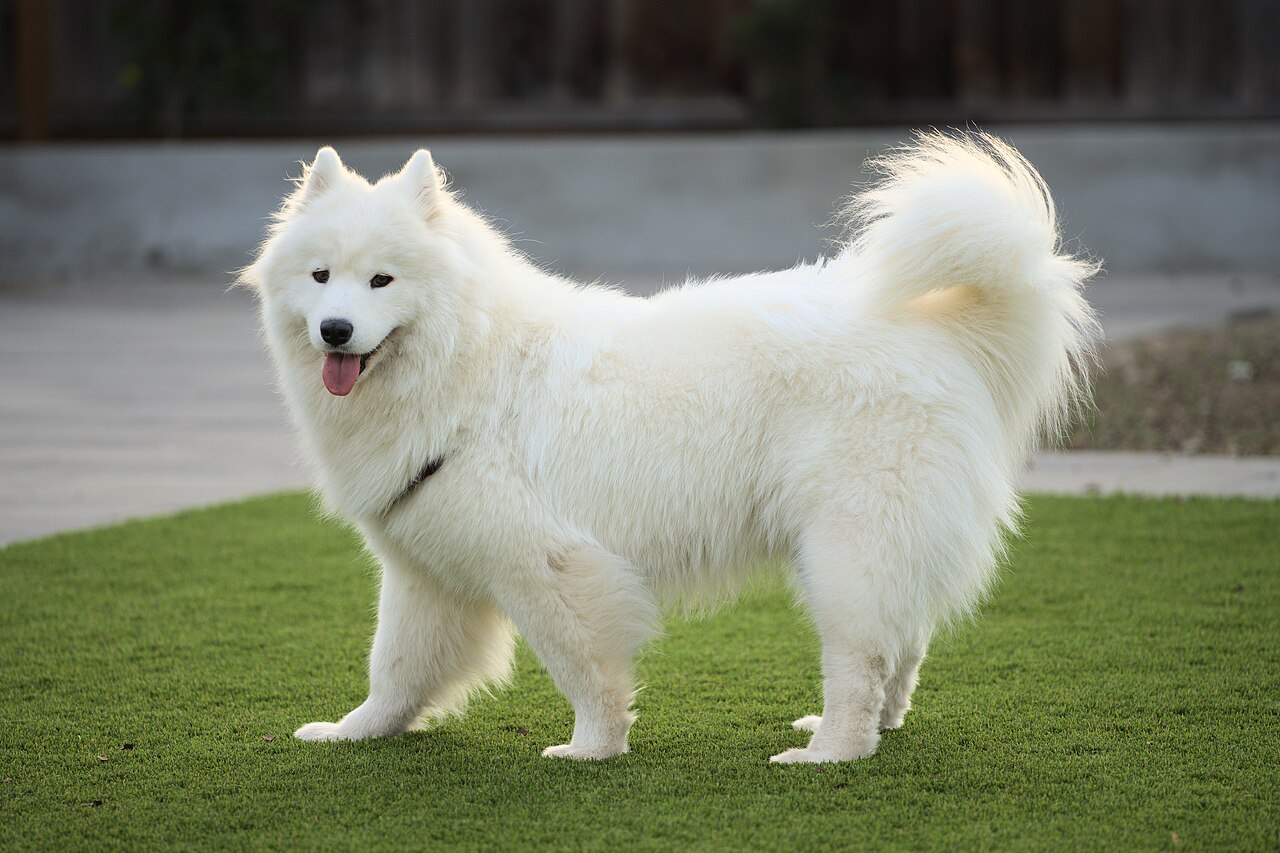
The Samoyed with its eternal smile and immaculate fur is a travel companion who attracts all eyes and all caresses. Originally from Siberia, it thrives in cool or snowy destinations where its enthusiasm for exploration is contagious. Its gregarious nature makes it easy to live with in accommodation and crowded places where it systematically charms those around it. The main challenge remains managing its body heat in summer and maintaining its spectacular white fur during trips. Offer it outdoor vacations in temperate regions and you will discover a tireless adventure partner.
Atouts en voyage
- Extremely sociable character that facilitates acceptance in public places and accommodation
- Physical robustness allowing long hikes in cool conditions
- Joyful and communicative temperament making encounters with other travelers always positive
- Exceptional cold resistance opening winter and mountain destinations
Defis a anticiper
- Voluminous white fur requiring intensive daily maintenance while traveling
- Marked heat intolerance restricting summer destinations
- Tendency to bark and howl which may disturb in shared accommodation
Profil voyage
En images
Se deplacer avec votre Sammy
The Samoyed travels by train with a ticket and must be kept on leash. Its impressive fur can occupy considerable space, plan a seat with generous floor space. Its friendly nature pushes it to solicit passengers' attention, keep it busy with a chew toy. Brush it carefully before the journey to limit hair dispersal in the car.
The Samoyed tolerates car journeys well if accustomed when young. Protect the seat with a cover because its white hairs stick to all surfaces. Air conditioning must be set low because it suffers quickly from heat, even inside the vehicle. Tinted windows or side sun shields significantly reduce the temperature felt by your Sammy.
The Samoyed travels in the hold in a well-ventilated IATA crate. Absolutely avoid flights during hot periods because temperatures in the hold can fluctuate dangerously. Choose flights early in the morning or late in the evening during temperate months. Place a cooling mat at the bottom of the crate and attach a frozen water bowl that will gradually melt during the flight.
Sante en voyage
Risques specifiques
- Rapid hyperthermia in hot or poorly ventilated environment which can be fatal
- Hot spot dermatitis under dense fur aggravated by humidity while traveling
- Eye problems related to UV reflection on snow or light sand
Precautions
Carefully monitor your Samoyed's respiratory rate: beyond 40 breaths per minute at rest, it is overheating. Inspect its skin under the coat after each swim or humid episode to detect the beginnings of dermatitis. In snowy mountains, canine protective goggles prevent snow blindness. Never shave its fur thinking to relieve it from heat, the double coat protects it equally from hot and cold.
Tolerance chaleur
The Samoyed is one of the most heat-sensitive breeds due to its double coat designed to survive minus 50 degrees in Siberia. From 20 degrees ambient, it begins to struggle and beyond 25 degrees, all physical effort becomes risky. In summer travel, activities must be limited to dawn and dusk. High-altitude destinations, Scandinavia or windy seaside are the only reasonable summer options.
Pharmacie de voyage
- Leave-in detangling spray to maintain coat during travel
- Antiseptic lotion to treat hot spots under the fur
- Moisturizing eye drops for dryness or irritation from wind and sand
- Self-activating cooling gel mat for breaks and hot nights
Equipement indispensable
Furminator-type undercoat brush
Samoyed fur forms knots in a few days without brushing, especially while traveling when it explores varied natural environments
Self-activating gel cooling mat
Unlike mats to soak, the gel activates on pressure and offers the Samoyed instant cool refuge without manipulation while moving
Electrostatic anti-hair seat cover
Samoyed's white hairs penetrate every textile fiber, a special anti-adherence cover greatly facilitates cleaning the vehicle and accommodation
Rechargeable luminous collar
Early and late day walks being mandatory in summer, the white Samoyed remains visible even when its fur blends with the twilight
Insulated bottle for ice water
Keeping water at low temperature for several hours is crucial for the Samoyed which needs to drink cold even during roadside stops without fountains
Ou partir avec votre Sammy ?
The Samoyed flourishes in cool and open landscapes. The Pyrenees, the Alps, the Massif Central at altitude and the Breton coast offer ideal climatic conditions. In winter, ski resorts and snowy trails are its natural playground of choice.
Le saviez-vous ?
The Samoyed people of Siberia slept with their dogs in the tent to warm each other, a tradition that explains why this breed loves physical contact with its human family so much
Samoyed fur is so insulating that it was traditionally spun and knitted into clothing by Arctic peoples, producing wool warmer than sheep's
The famous Samoyed smile is not just aesthetic: the natural curve of its lips prevents ice formation around its mouth in extreme cold, a brilliant adaptation to its original environment
Questions frequentes
Can you travel in summer with a Samoyed in southern France?
Southern France in summer is strongly discouraged for the Samoyed. Temperatures regularly exceeding 30 degrees represent a real danger for this Arctic breed. If you absolutely must travel south, choose the mountainous hinterland above 1000 meters altitude where coolness is acceptable. Otherwise, turn to Brittany, Normandy or the Northern Alps.
How to maintain the Samoyed's white coat while traveling?
Carry an undercoat brush, wide-tooth comb and leave-in detangling spray. Brush it at least 15 minutes each day to avoid knots that form quickly in contact with vegetation. After mud or sand, let the coat dry then brush to remove residues. Veterinary dry shampoo is practical to refresh its fur between full baths.
Does the Samoyed bark a lot in accommodation?
The Samoyed is a vocal breed that communicates by barking and howling, especially when bored or excited. In accommodation, tire it with a long outing before night and leave it an occupation toy. Gradually accustom it to staying calm alone in an unfamiliar space. If you are camping or in adjoining cottage, warn your neighbors and choose an end-of-row location.
Can the Samoyed do canihiking in the mountains?
Canihiking is the ideal activity for the Samoyed which finds in the mountains conditions close to its original habitat. It can easily cover 20 km per day in cool conditions with moderate elevation gain. Equip it with a traction harness if you want it to help you uphill. Check the weather and avoid days when the altitude temperature exceeds 20 degrees.
Does the Samoyed tolerate rain?
Its double coat is naturally water-repellent and effectively protects it from moderate rain. However, prolonged exposure to rain ends up soaking the dense undercoat, which can cause skin irritations. Dry it carefully with an absorbent towel upon return and verify no area remains damp under the fur. Warm air dryer is ideal if you have one in your accommodation.