Sur cette page (6 sections)
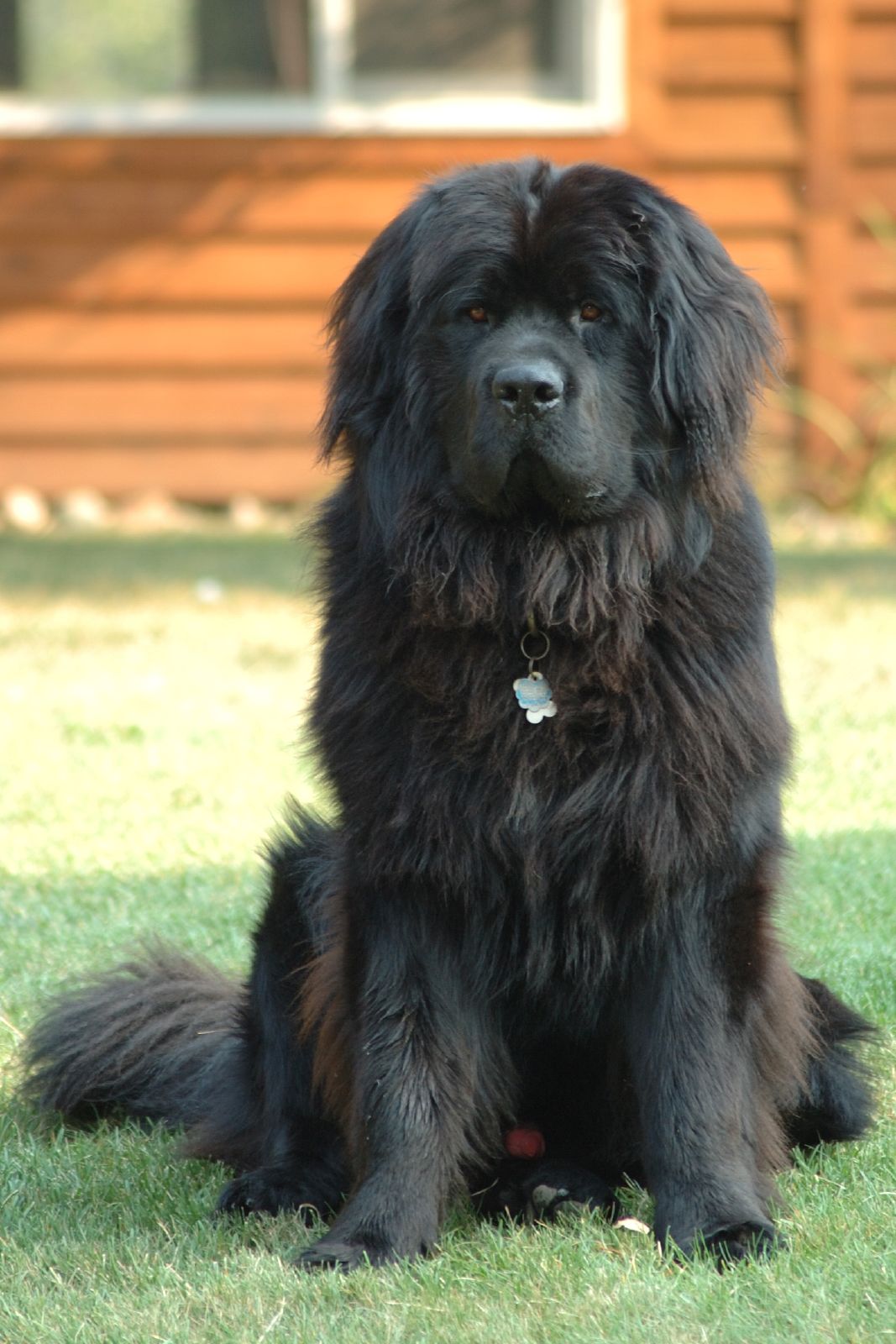
The Newfoundland is a giant with teddy bear temperament whose legendary gentleness compensates for the logistical constraints of its colossal size. Its innate love of water makes it the ideal companion for lakeside vacations or stays in Brittany. With a weight that can exceed 60 kg, each trip requires meticulous planning in terms of vehicle and accommodation. Its naturally tranquil pace suits perfectly contemplative vacations away from urban agitation. Plan cool and aquatic destinations to see this giant in its element, swimming with surprising grace.
Atouts en voyage
- Exceptionally gentle and patient temperament in all situations
- Outstanding swimmer transforming every water point into ideal playground
- Natural calmness facilitating accommodation stays despite its size
- Aquatic rescue instinct offering additional safety near water
Defis a anticiper
- Extreme weight and size making classic transport virtually impossible
- Total heat intolerance imposing specific destinations and seasons
- Abundant drooling and massive shedding requiring permanent cleaning equipment
Profil voyage
En images
Se deplacer avec votre Newfoundland
Traveling by train with a Newfoundland is a logistical challenge due to its weight which can reach 68 kg. Imperatively book first-class space or a compartment if available to offer it necessary space. Railway staff can sometimes refuse boarding if the dog cannot stay at its owner's seat. Train it to remain lying calmly in a restricted space well before travel day.
A large vehicle type converted van or large SUV is practically mandatory for the Newfoundland. The trunk must be protected by a waterproof cover because this breed drools enormously and carries water in its thick fur. A robust access ramp supporting over 70 kg is essential to protect its joints. Air conditioning must run powerfully, the Newfoundland being the most heat-sensitive breed among giants.
Air transport of Newfoundland is extremely complex due to its weight which often exceeds airline limits even in hold. Very few companies accept dogs beyond 75 kg crate included. Risks linked to heat in hold make this option dangerous in summer period. Road travel or ferry remains the most realistic and safest solution for this breed.
Sante en voyage
Risques specifiques
- Extreme heat stroke which can occur even at moderate temperatures of 20 degrees
- Potentially fatal gastric dilatation-volvulus aggravated by travel stress
- Humid dermatitis under dense coat favored by humidity and perspiration in vehicle
Precautions
Never travel with a Newfoundland without a heat emergency plan including a thermometer, cold water and nearest veterinarian's contact information. Divide its meals into three small portions and never have it travel on a full stomach. Elevate its food bowls to reduce torsion risk. Daily inspect its skin under coat to detect areas of stagnant humidity.
Tolerance chaleur
The Newfoundland has one of the lowest heat tolerances of all breeds. Its impenetrable double coat and enormous body mass make thermoregulation almost impossible beyond 22 degrees. In summer travel, only high-altitude destinations or North Atlantic coast offer acceptable conditions. Shaving is not a solution because it removes natural UV protection and disrupts natural thermal regulation.
Pharmacie de voyage
- Quick-reading rectal thermometer for constant temperature monitoring
- Instant ice pack for emergency intervention in case of heat stroke
- Injectable anti-foam gastric for gastric torsion emergencies
- Antiseptic spray to treat humid dermatitis under coat
Equipement indispensable
Ultra-robust 80 kg access ramp
The Newfoundland must never jump into a vehicle under penalty of serious joint injuries, a ramp supporting its weight is non-negotiable
Full waterproof trunk cover
Between constant drooling, wet fur and shedding, the vehicle trunk needs total easily washable protection
Rechargeable portable fan
In addition to air conditioning, a fan directed at the Newfoundland can make the critical difference during forced stops or on terrace
Foldable elevated bowl
Reducing gastric torsion risk by elevating the bowl is particularly important for this giant breed predisposed to this vital emergency
XXL microfiber absorbent towels
The Newfoundland soaks everything it touches after swimming or simply by drooling, ultra-absorbent towels are essential for accommodation
Ou partir avec votre Newfoundland ?
The Newfoundland dreams of lakes, rivers and wild coasts where it can swim at will. Brittany, Normandy, Alpine lakes and Massif Central water bodies offer perfect climatic and aquatic conditions for this born swimmer.
Le saviez-vous ?
The Newfoundland has membranes between its toes like a duck, forming true natural flippers that make it the best swimmer of all dog breeds
This breed has officially saved more people from drowning than any other, including a famous rescue of 20 sailors during a shipwreck off Newfoundland in 1828
The Newfoundland's coat is naturally waterproof thanks to oil produced by its skin, allowing it to swim in icy waters without ever getting cold
Questions frequentes
Where to find accommodation suitable for a 60 kg dog?
Rural cottages with large garden are your best option. Look for mentions 'large dogs accepted' without weight limitation. Campsites with spacious pitches are also a good solution if nights are cool. Peer-to-peer rental platforms allow filtering by accepted dog size and directly contacting the owner to confirm.
Can the Newfoundland travel by ferry?
The ferry is one of the best modes of transport for the Newfoundland, especially to reach Corsica, England or Ireland. It generally stays in the vehicle on the garage deck or in onboard kennel depending on companies. Brittany Ferries and Corsica Ferries offer spaces dedicated to animals. Travel at night to take advantage of cooler temperatures in the garage.
How to manage the Newfoundland's drool while traveling?
Drooling is an unavoidable reality of the Newfoundland which intensifies with heat and excitement. Carry a generous stock of bandana bibs and microfiber towels. Protect accommodation surfaces with your own blankets. A drool wiper attached to the harness allows quick intervention. Plan this topic with your hosts to avoid tensions upon arrival.
Can you take a Newfoundland to the beach?
The beach is the Newfoundland's paradise provided you choose the season and time. Prefer beaches authorized for dogs in Brittany or Normandy where temperatures remain moderate. Avoid any beach exposed to sun in July-August. The Newfoundland will swim happily in the waves and its rescuer instinct makes it a reassuring companion near water for the whole family.
How much food to plan on vacation for a Newfoundland?
An adult Newfoundland consumes between 600 and 800 grams of kibble per day divided into two or three meals. For a week's vacation, plan at least 5 kg of kibble plus a safety margin. Travel stress can modify its appetite the first days. Bring its usual food because sudden dietary change can provoke dangerous digestive troubles in this breed predisposed to torsion.